Nature Communications
NIH-funded · Active since 2020
Deep learning models that estimate a hospitalized patient's risk of deterioration continuously, from the electronic health record and from wearable sensors, so that clinicians are warned hours before a rapid response or ICU transfer.
Hansen et al., training and retrospective validation of NIDM, under review. Patel et al., systematic review and meta-analysis of Epic clinical decision support tools, under review at the Journal of General Internal Medicine.
Overview
Up to five percent of adult patients on medical-surgical wards deteriorate during their stay, and the standard response, vital signs taken every four to six hours, is both too sparse for the patients at risk and unnecessary for the stable majority. The program builds models that read the data a hospital already collects and turn it into a continuous estimate of risk.
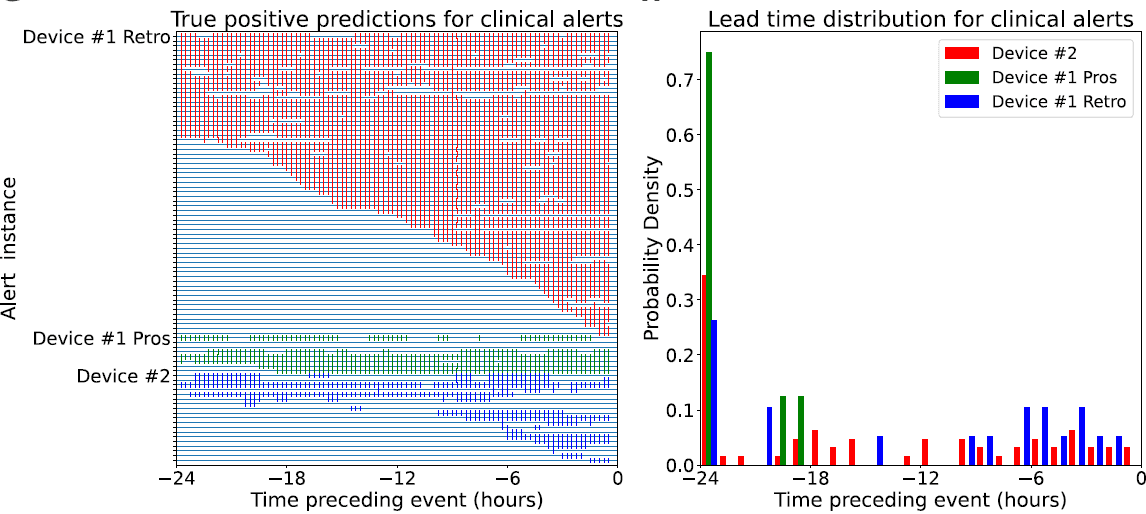
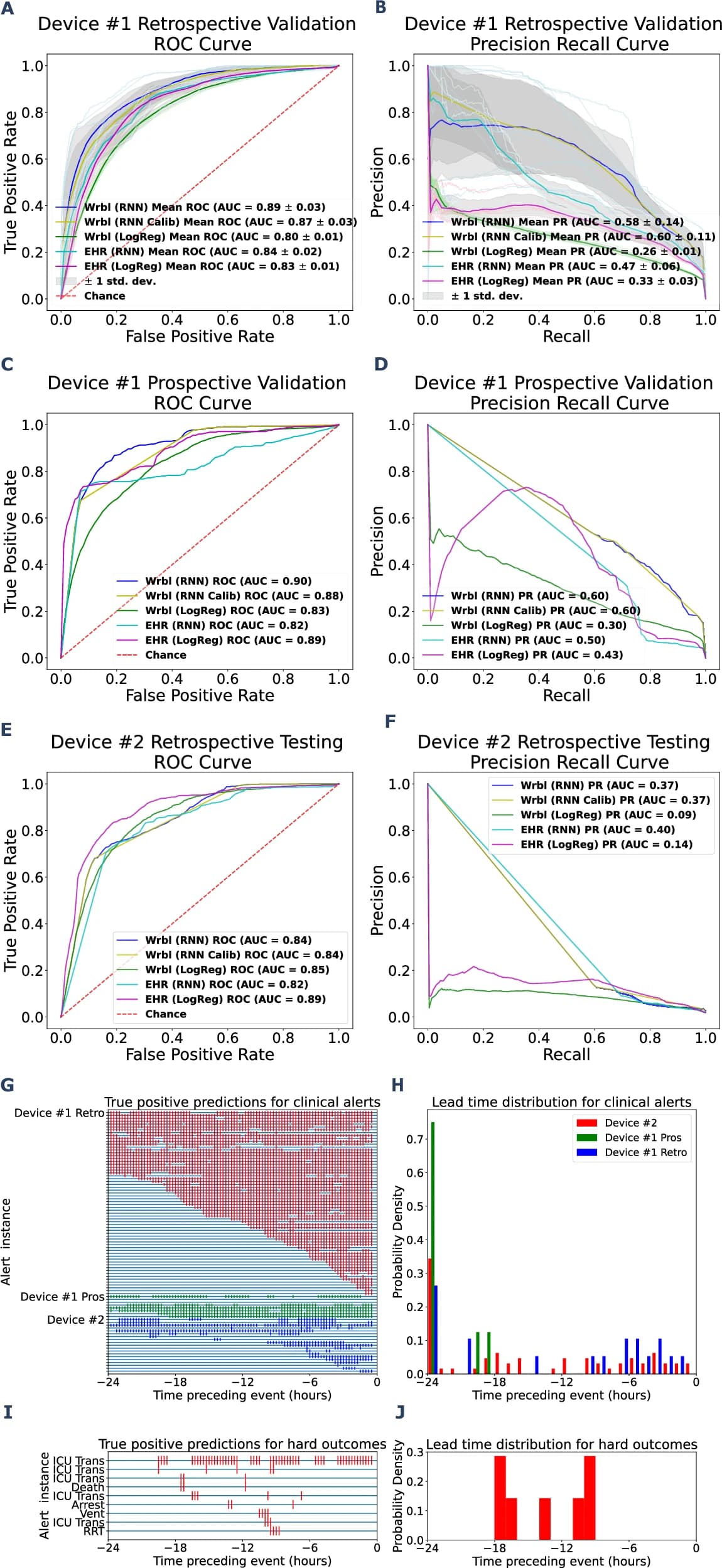
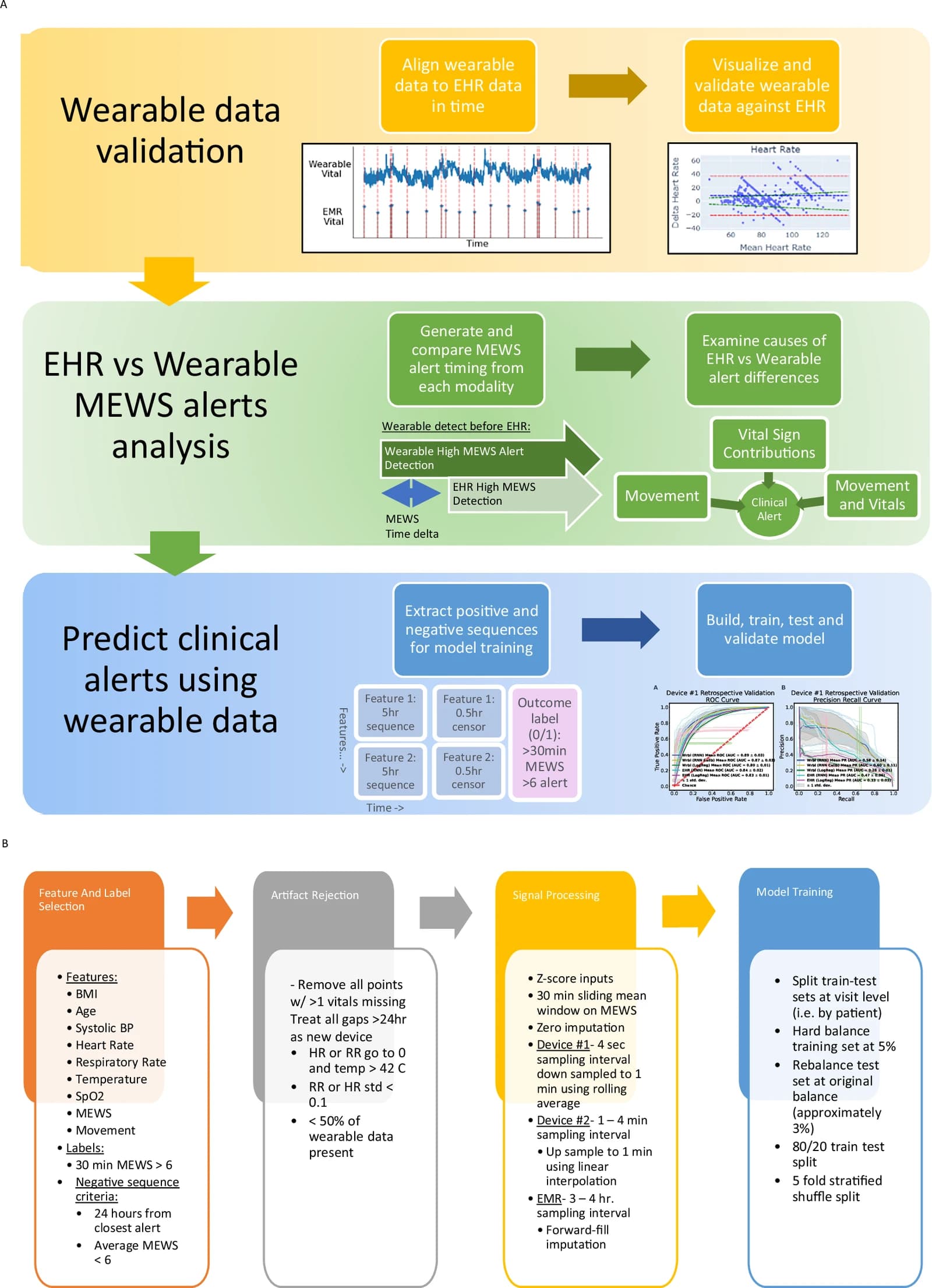
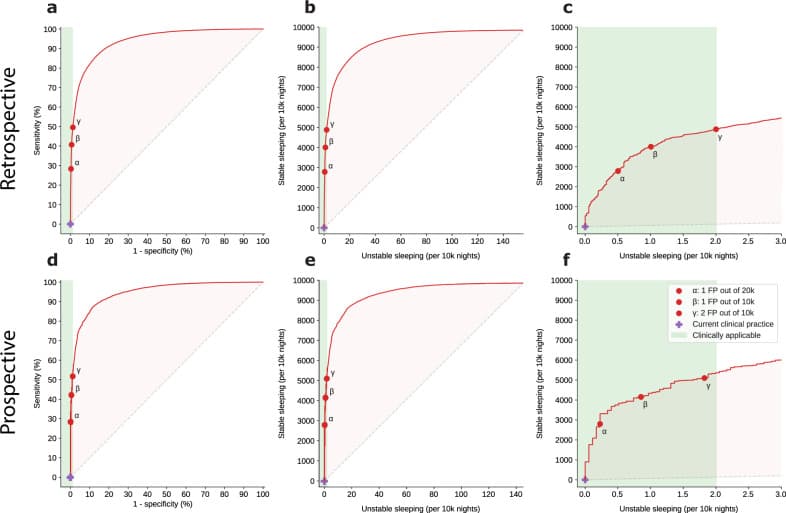
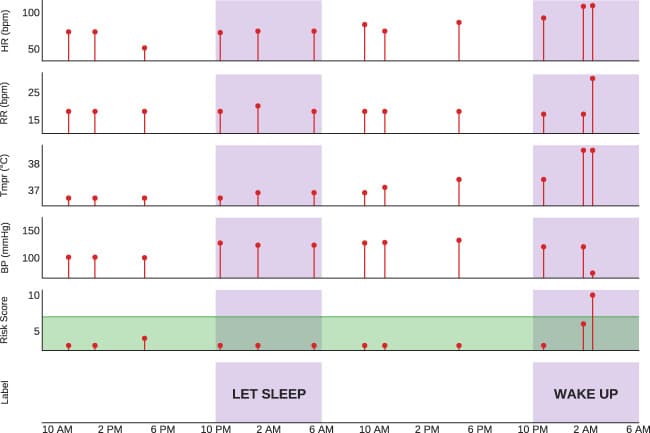
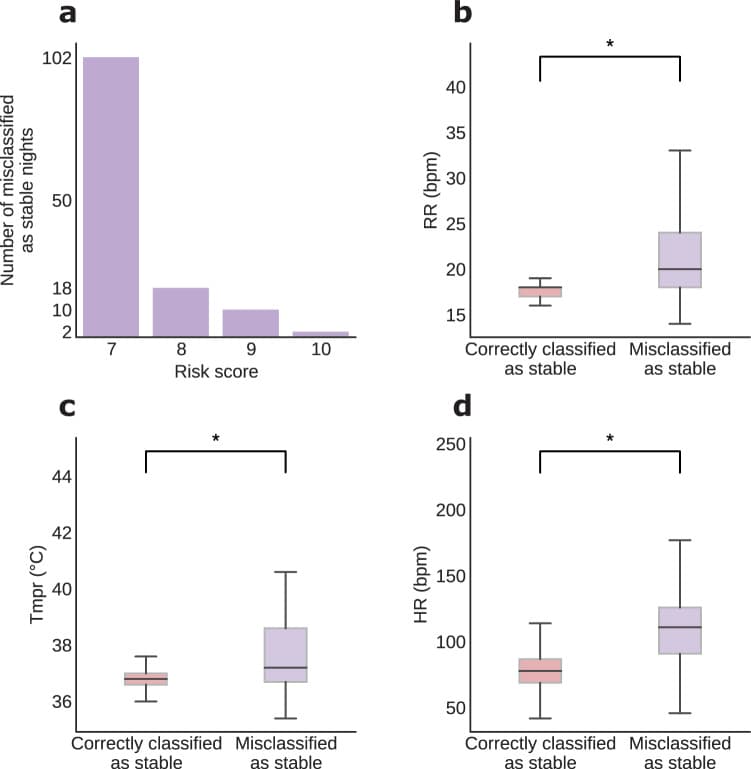
Three strands run in parallel. The Northwell In-hospital Deterioration Model (NIDM) reads the electronic health record and runs in silent mode inside the hospitals' Epic system. A wearable-based model, published in Nature Communications in 2025, predicts clinical deterioration up to 17 hours before onset from nine physiological signals streamed from continuous monitors. An earlier model, published in npj Digital Medicine in 2020, identified patients stable enough to sleep through the night without vital-sign checks.
The work is funded by a $3.19M award from the National Institute of Nursing Research (2023 to 2027) and, from 2026, a National Library of Medicine award to scale wearable foundation models for deterioration detection.
- Status
- Active since 2020
- Program
- NIH-funded
- Funding
- National Institute of Nursing Research; National Library of Medicine
- Publications
- 2, latest 2025
- Team
- 4 members
Awards
Optimization of monitoring, prediction and phenotyping of deterioration of in-hospital patients using machine learning and multimodal real-time data
National Institute of Nursing Research · $3.19M · 2023 to 2027
Karina W. Davidson and Theodoros Zanos
R01NR020774 (opens in new tab)Scaling clinical wearable foundation models for the detection of in-hospital deterioration
National Library of Medicine · 2026 to 2029
Michael Scheid
R50LM015185 (opens in new tab)
Lines of work
3 strands
01
EHR-based prediction (NIDM)
A deep learning model over the electronic health record that continuously estimates deterioration risk and runs in silent mode inside Epic.
No publication yet.
02
Wearable continuous alert system
A model over nine physiological signals from wearable monitors, validated on 888 adult non-ICU visits, that predicts deterioration up to 17 hours ahead.
03
Overnight stability monitoring
A model that predicts overnight stability from vital-sign sequences, allowing unnecessary night-time monitoring to be skipped for stable patients.
From the papers
Published figures
Figures reproduced from the papers behind this project.
Each panel keeps its original source and license.
People