The work
13 active projects across five verticals, from preclinical neural decoding to hospital-wide operational AI.
This project develops generative deep learning models to reconstruct multi-lead ECG signals from minimal input leads, assessing whether a small number of key ECG recordings can capture sufficient signal and diagnostic information for robust clinical interpretation and scalable cardiac monitoring.
Point-of-care AI
Machine learning models identify high-risk acute coronary syndrome patients using admission ECG features and vital signs to predict in-hospital mortality and clinical deterioration, with interpretable outputs that guide triage and escalation decisions in acute cardiovascular care.
Developing a machine learning framework to automatically identify delirium from clinical chart text using large language models, and building a predictive model to detect delirium onset early using clinical and physiological biomarkers.
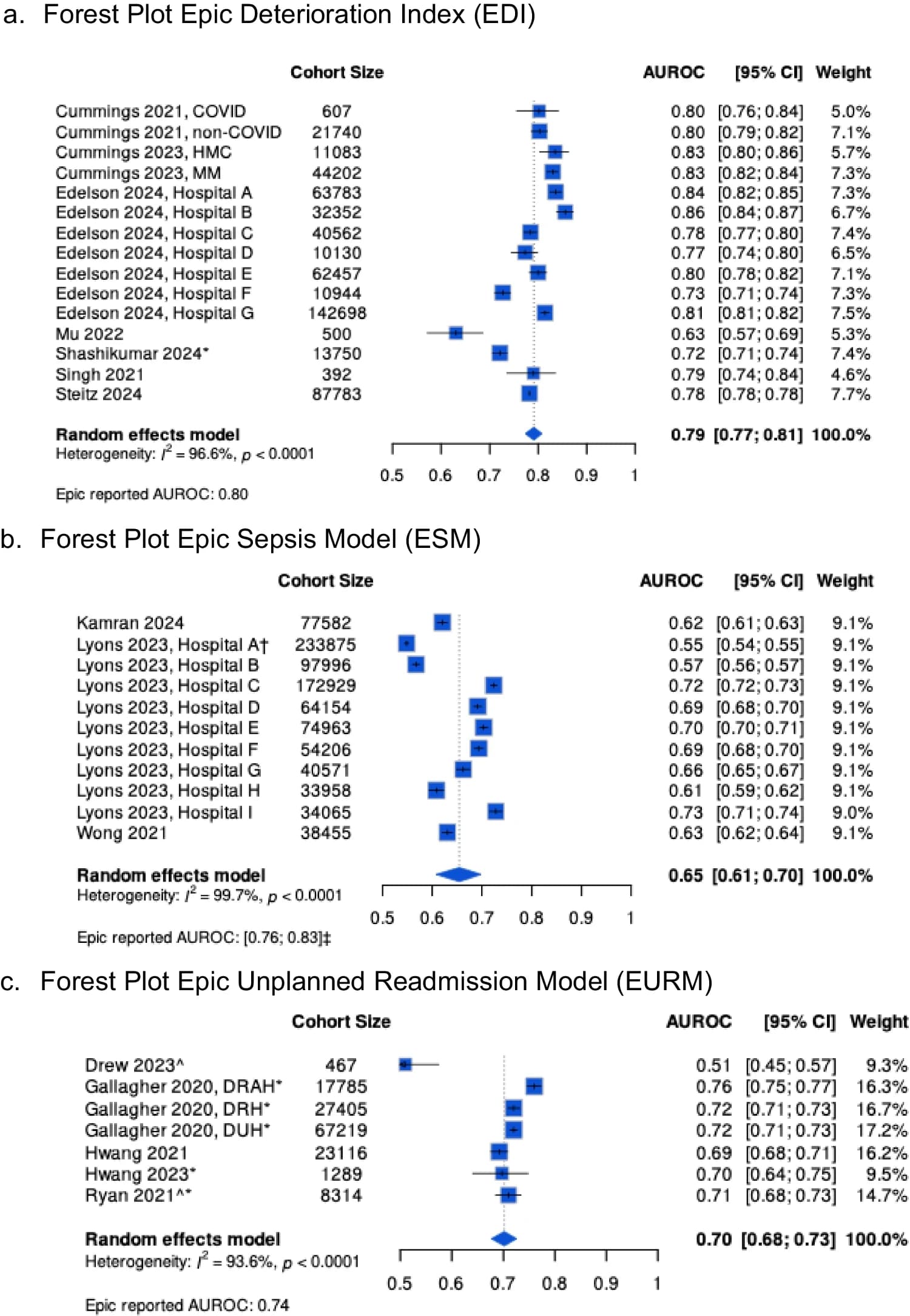
The Northwell In-hospital Deterioration Model (NIDM) is an EHR-based deep learning model that continuously estimates a patient's risk of a deterioration event, unplanned ICU transfer, intubation, or death, within the next 48 hours from routinely collected electronic health record data. Deployed in silent mode inside Northwell's Epic environment for prospective monitoring, NIDM is built to surface the patient-specific factors behind each prediction, so care teams see not only who is at rising risk but why, early enough to act.
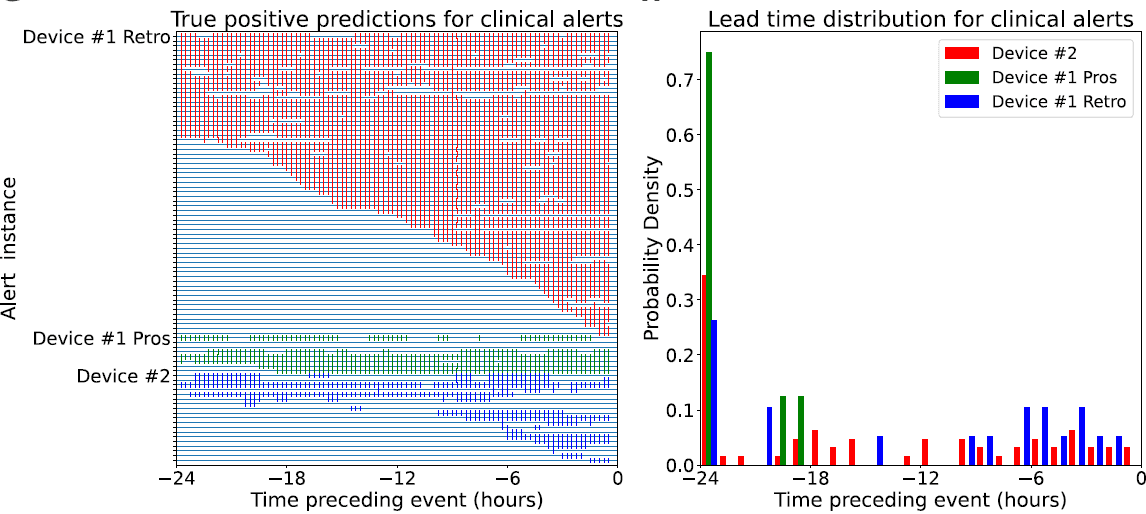
A wearable-based deep learning model using just 9 physiological inputs predicts clinical deterioration up to 17 hours before onset, enabling earlier intervention. Funded by a 4-year, $3.1M NIH grant, the model generalizes across a range of adverse outcomes, including rapid response calls, unplanned ICU transfers, intubations, and in-hospital deaths, and demonstrated 81.8% accuracy across 888 inpatient visits.
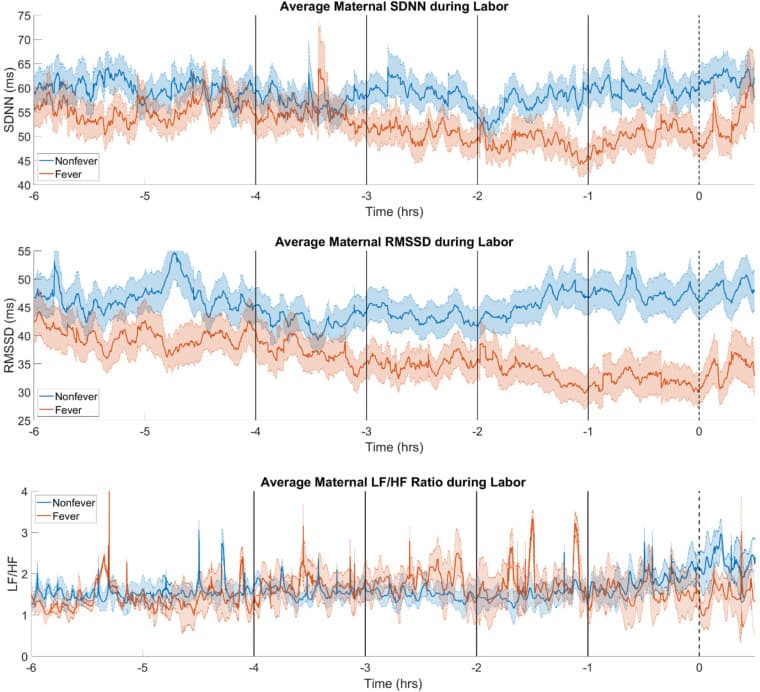
Continuously monitored vital signs and heart rate variability during labor predict maternal fever 2-3 hours before clinical onset, with area under the curve of 0.748, enabling early detection of mothers at risk for neonatal early-onset sepsis.
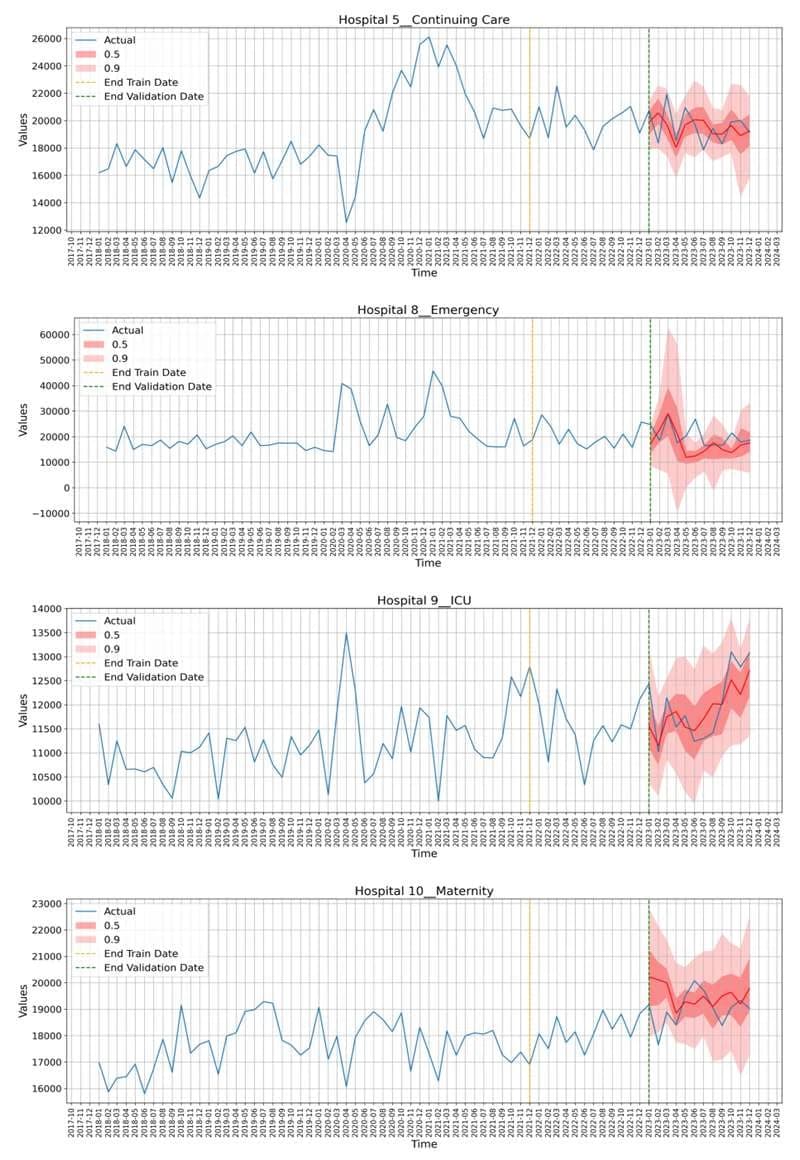
Machine learning models using DeepAR probabilistic forecasting predict nursing workforce demand across Northwell's hospital units up to 12 months ahead, supporting preemptive hiring and staffing decisions across diverse specialties.
Operational AI
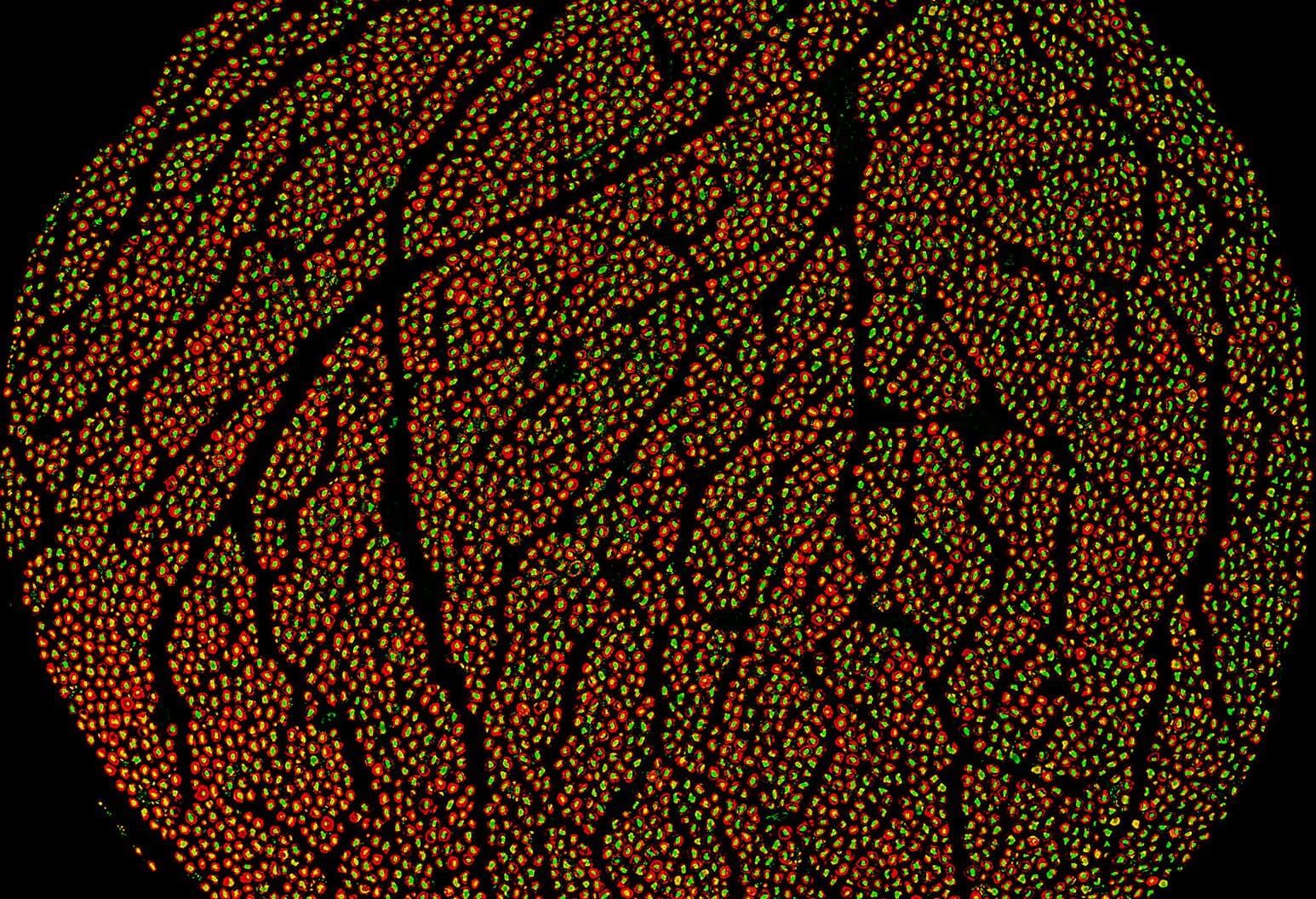
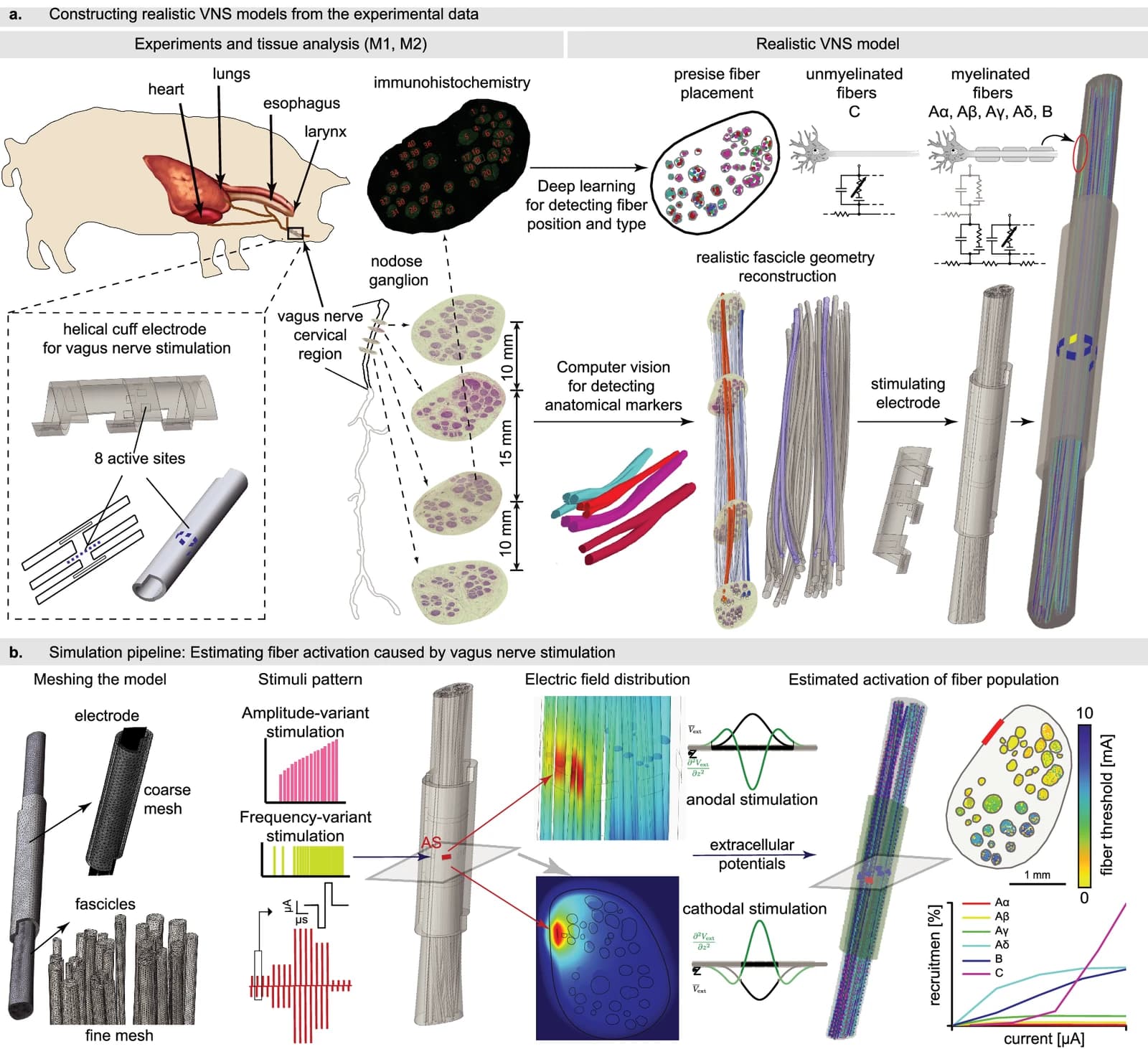
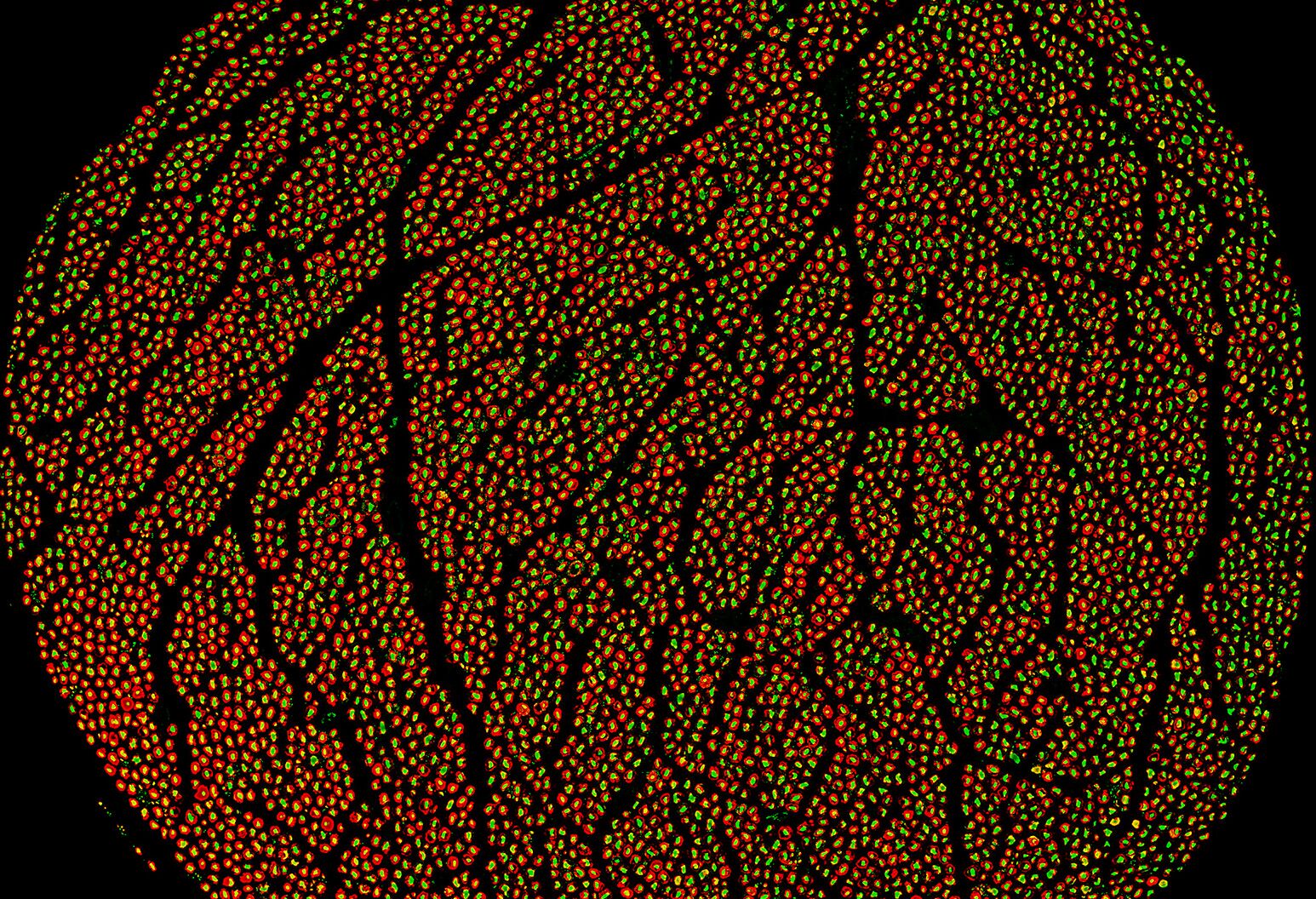
A comprehensive anatomical dataset of 60 human vagus nerves (30 left, 30 right), spanning millions of micro-CT images across hundreds of terabytes of data. Using 3D nnU-Net segmentation, this project builds a detailed vagus digital twin to guide the design of selective vagus nerve stimulation therapies, part of a $6.7 million NIH SPARC award in collaboration with the TNP Lab.
Anatomical Data AI
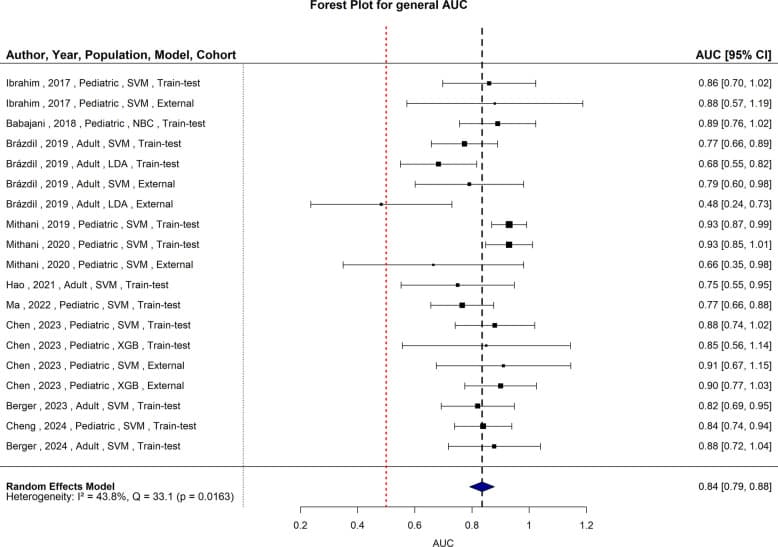
Machine learning models can predict which patients with drug-resistant epilepsy will respond to vagus nerve stimulation therapy, achieving an average area under the receiver operating characteristic curve (AUROC) of 0.84 across 12 studies comprising 535 patients.
Autonomic Nervous System AI
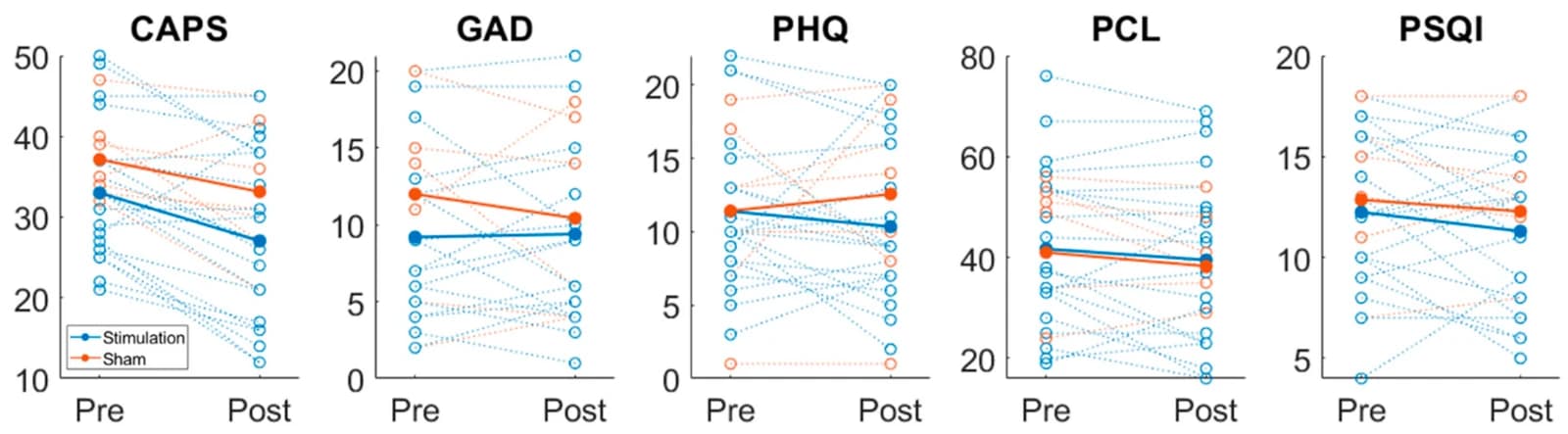
Machine learning models identify PTSD from non-invasive physiological signals, including heart rate variability, in a study currently under review. The lab also studies transcutaneous auricular vagus nerve stimulation as a potential PTSD treatment for World Trade Center responders with limited response to existing therapies.
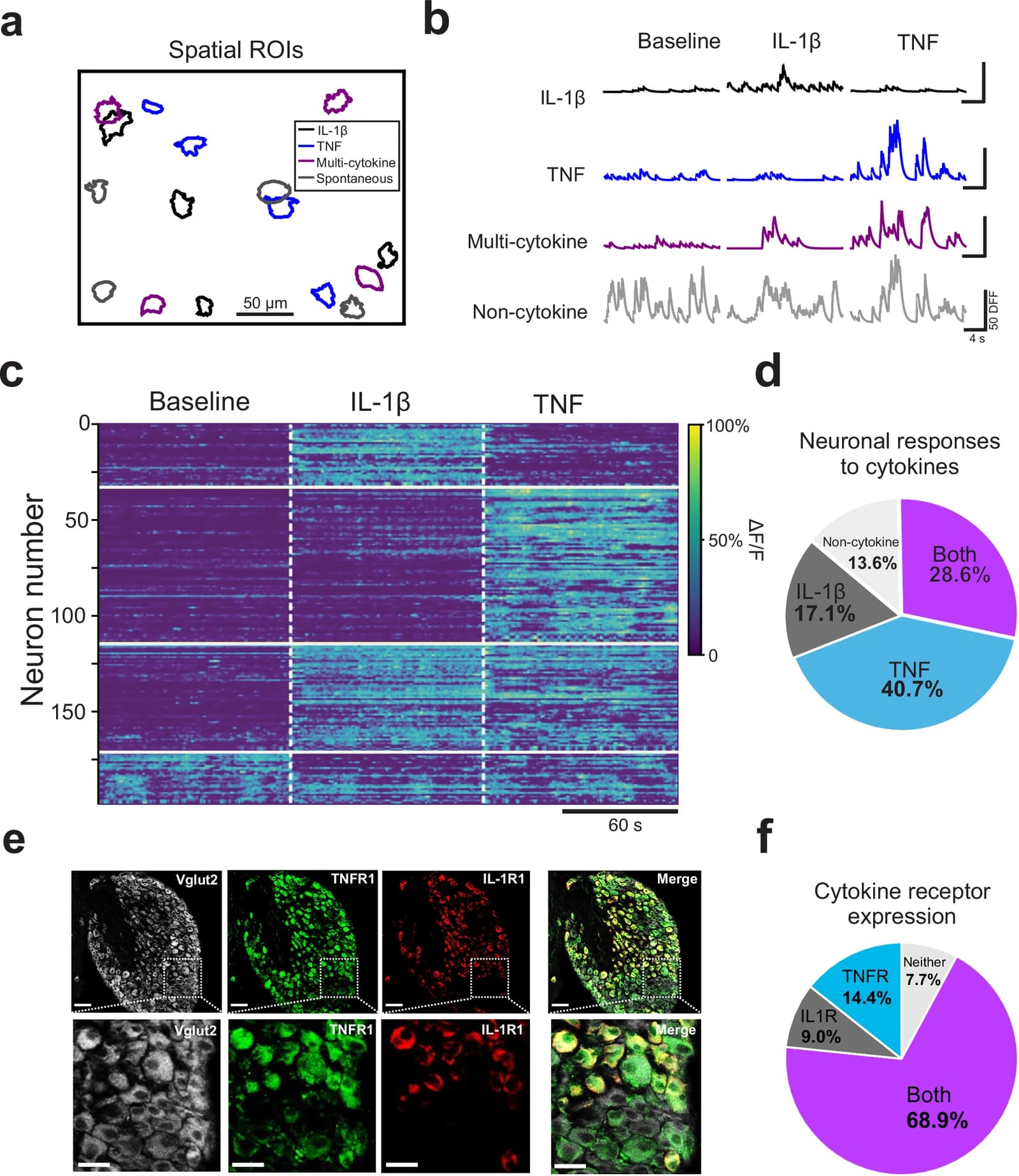
This research decodes how vagus nerve neurons sense inflammatory cytokines in real time, enabling development of diagnostic bioelectronic devices and closed-loop inflammation treatments. Building on prior work showing vagal decoding of immune signals, recent studies reveal that individual vagal sensory neurons selectively respond to specific cytokines, with altered responses during active inflammation.
Preclinical AI
Preclinical research using decoding algorithms to identify neural signals from the vagus nerve that respond specifically to hypoglycemia. A decoder achieved high accuracy in reconstructing blood glucose levels from vagus nerve recordings, with median error of 18.6 mg/dL, and revealed that TRPV1 nociceptor neurons are critical for sensing low glucose states.
Chronic wireless recording of compound action potentials from the mouse vagus nerve up to 6 months, enabling longitudinal tracking of neural activity in disease models (CIA, CAIA) to predict inflammation severity and evaluate neuromodulation efficacy.
More