International Journal of Environmental Research and Public Health
NIH-funded · Active since 2021
A feasibility and acceptability study of daily, non-invasive auricular vagus nerve stimulation to reduce PTSD symptoms among 9/11 responders, twenty years after the attacks.
Overview
Posttraumatic stress disorder remains the most prevalent mental health diagnosis among first responders to the World Trade Center attacks, and the trauma-focused therapies with the strongest evidence carry high dropout. Transcutaneous auricular vagus nerve stimulation (taVNS) is a non-invasive, self-administered alternative that engages the same autonomic pathways.
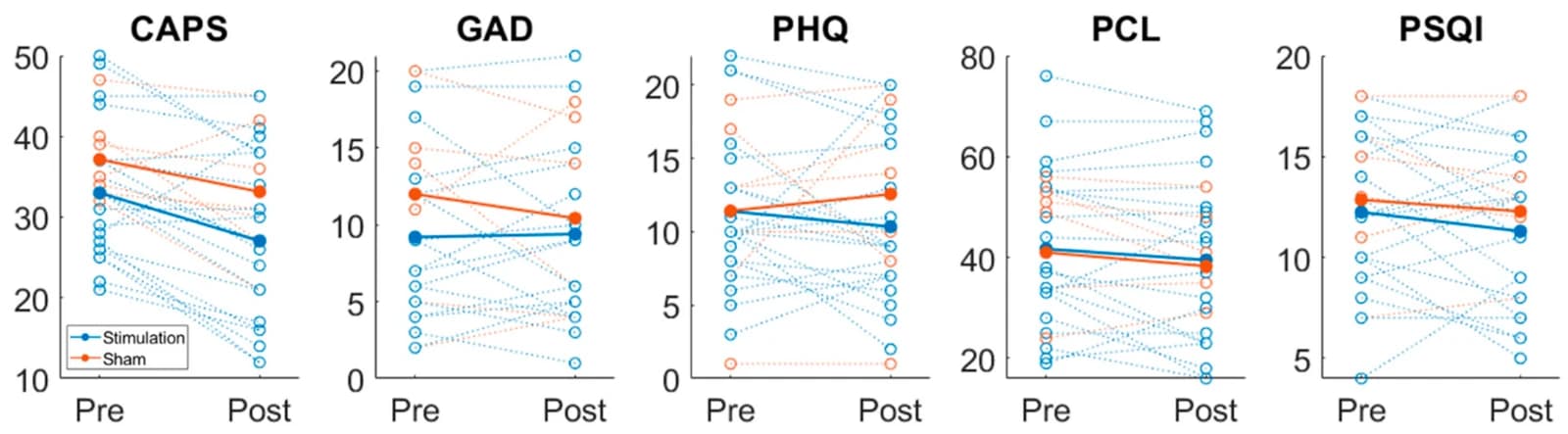
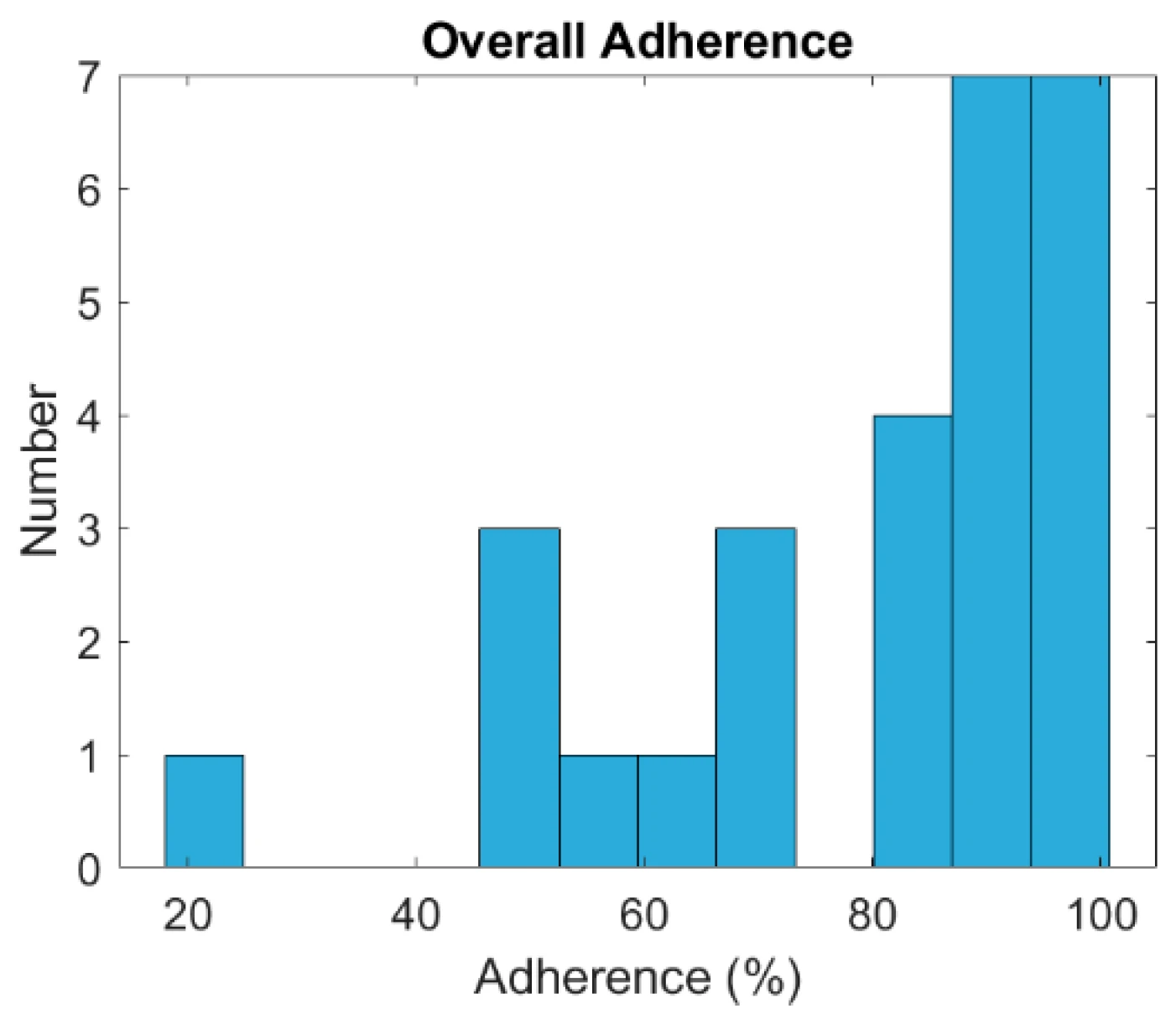
Funded by a NIOSH award (2021 to 2023) led by Rebecca Schwartz and Theodoros Zanos, the study began with focus groups on responders' mental health needs and their views of the device, published in 2022, and proceeded to a daily stimulation protocol whose adherence and clinical outcomes were published in 2026.
- Status
- Active since 2021
- Program
- NIH-funded
- Funding
- National Institute for Occupational Safety and Health
- Publications
- 2, latest 2026
- Team
- 2 members
Awards
Assessing the feasibility and acceptability of using non-invasive transcutaneous auricular vagus nerve stimulation to reduce PTSD symptoms in WTC responders
National Institute for Occupational Safety and Health · $700K · 2021 to 2023
Rebecca Schwartz and Theodoros Zanos
U01OH012050 (opens in new tab)
From the papers
Published figures
Figures reproduced from the papers behind this project.
Each panel keeps its original source and license.
Publications
Papers
Recent
Earlier
International Journal of Environmental Research and Public Health
People