Researcher · Division of Health AI
Dr. Theodoros (Theo) Zanos, PhD is a Professor & AVP, and the head of the Division of Health AI at Northwell Health and the Neural and Data Science Lab at the Institute of Health System Science and Institute of Bioelectronic Medicine, at the Feinstein Institutes for Medical Research and the Zucker School of Medicine, Hofstra Northwell. He received his Engineering diploma in Electrical and Computer Engineering from the Aristotle University of Thessaloniki in Greece, his MSc and PhD in Biomedical Engineering from the University of Southern California and postdoctoral training at the Montreal Neurological Institute at McGill. His current research focuses on developing and applying AI/machine learning methods on multimodal healthcare, neural and physiological data to enable early diagnosis, disease severity assessment, and personalization and adaptability of therapies. He has been awarded multiple federal and industry grants, totaling >$15M of external funding from NIH, CDC and other federal and industry sources, and published >70 peer-reviewed papers, in journals such as Nature Communications, Nature Machine Intelligence, PNAS, JAMA, npj Digital Medicine, Neuron (Cell Press) and others. He has been awarded the Northwell Excellence in Research Award three times, inducted to the National Academy of Inventors as a senior member, received the Modern Healthcare 2026 Innovator award, finalist in Fast Company’s World Changing Ideas in AI, twice finalist in Northwell’s Innovation Challenge, and received the Jean Timmins Award and the Center of Excellence in Commercialization and Research Award.
24 projects57 papers

Research projects
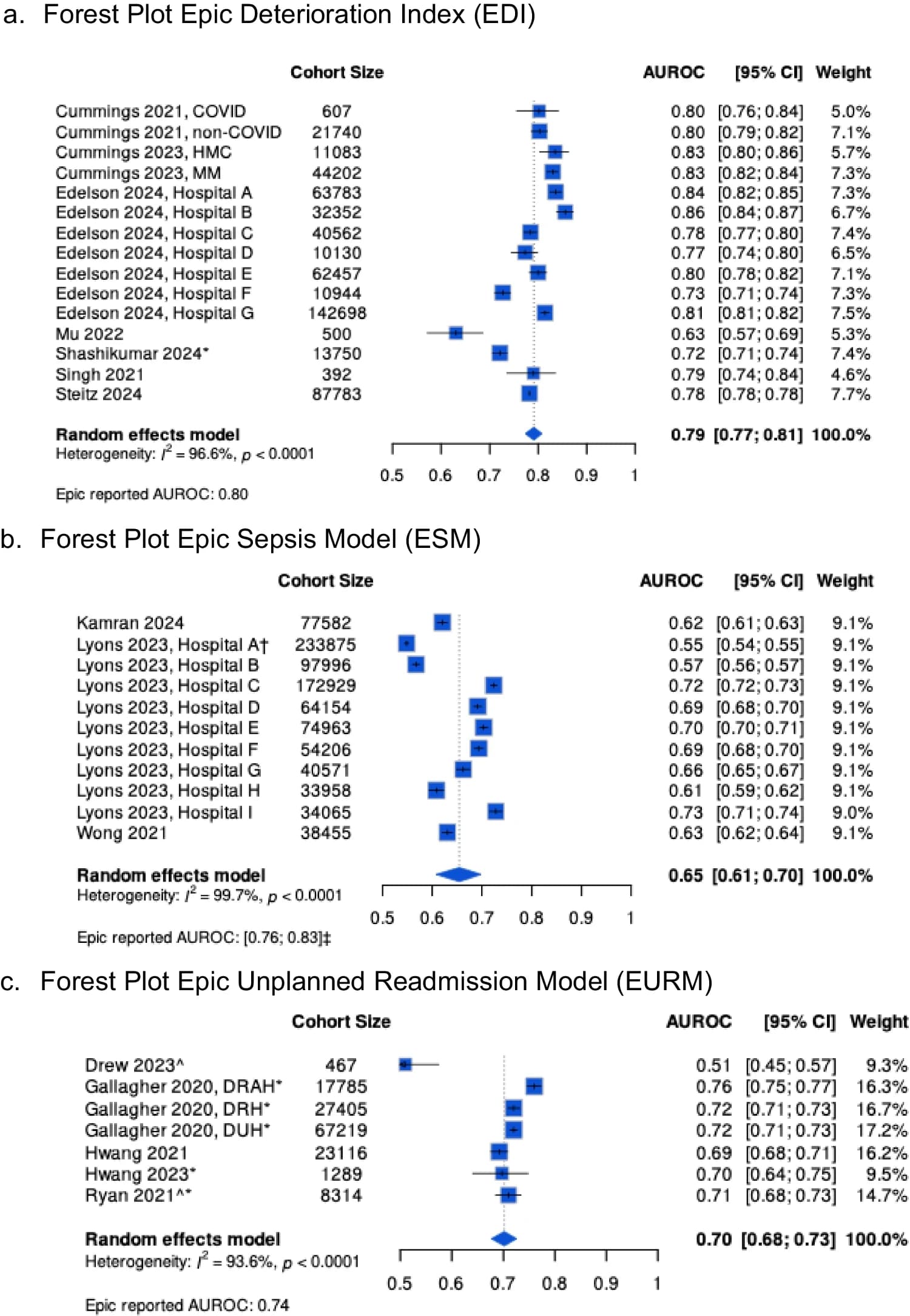
The Northwell In-hospital Deterioration Model (NIDM) is an EHR-based deep learning model that continuously estimates a patient's risk of a deterioration event, unplanned ICU transfer, intubation, or death, within the next 48 hours from routinely collected electronic health record data. Deployed in silent mode inside Northwell's Epic environment for prospective monitoring, NIDM is built to surface the patient-specific factors behind each prediction, so care teams see not only who is at rising risk but why, early enough to act.
Point-of-care AI
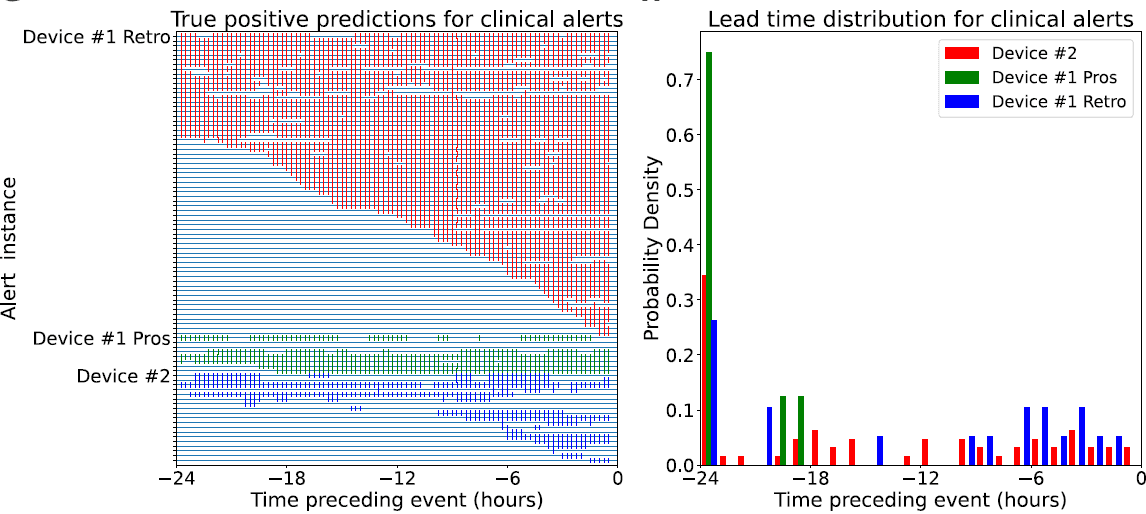
A wearable-based deep learning model using just 9 physiological inputs predicts clinical deterioration up to 17 hours before onset, enabling earlier intervention. Funded by a 4-year, $3.1M NIH grant, the model generalizes across a range of adverse outcomes, including rapid response calls, unplanned ICU transfers, intubations, and in-hospital deaths, and demonstrated 81.8% accuracy across 888 inpatient visits.
Point-of-care AI
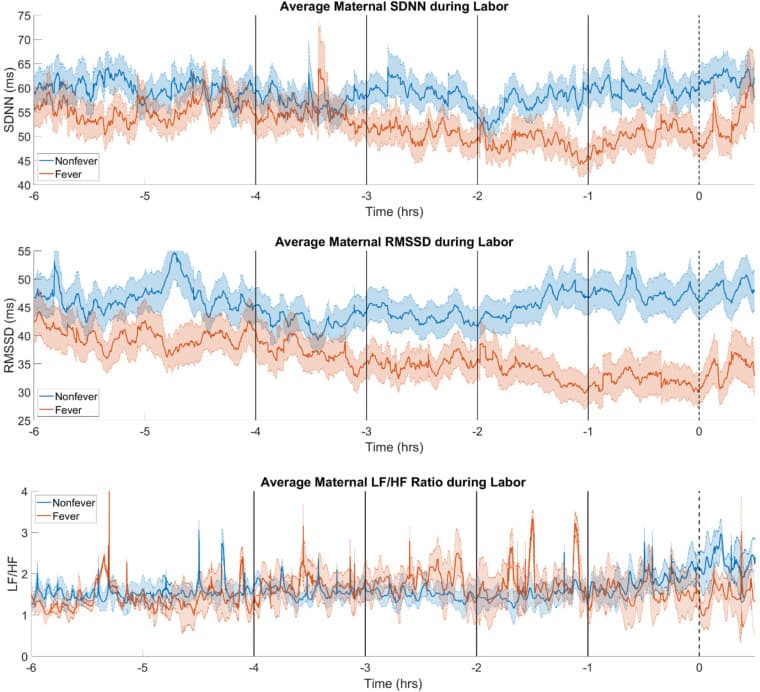
Continuously monitored vital signs and heart rate variability during labor predict maternal fever 2-3 hours before clinical onset, with area under the curve of 0.748, enabling early detection of mothers at risk for neonatal early-onset sepsis.
Point-of-care AI
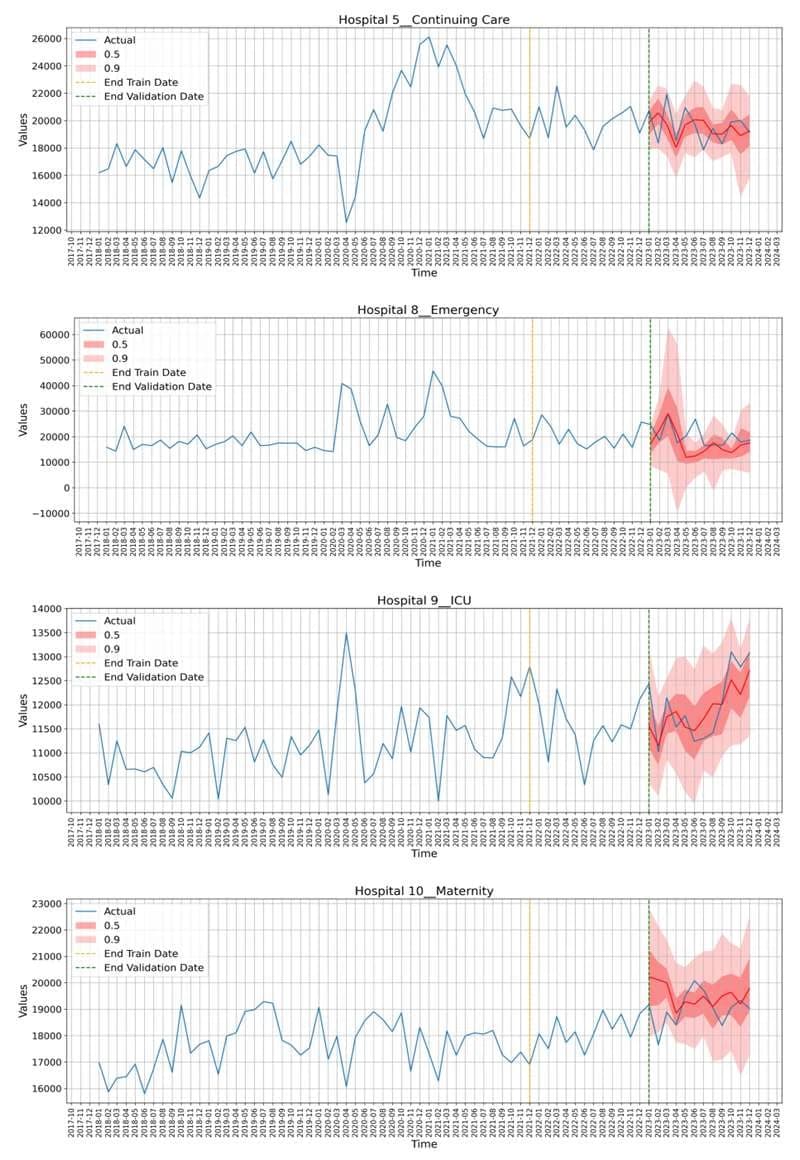
Machine learning models using DeepAR probabilistic forecasting predict nursing workforce demand across Northwell's hospital units up to 12 months ahead, supporting preemptive hiring and staffing decisions across diverse specialties.
Operational AI
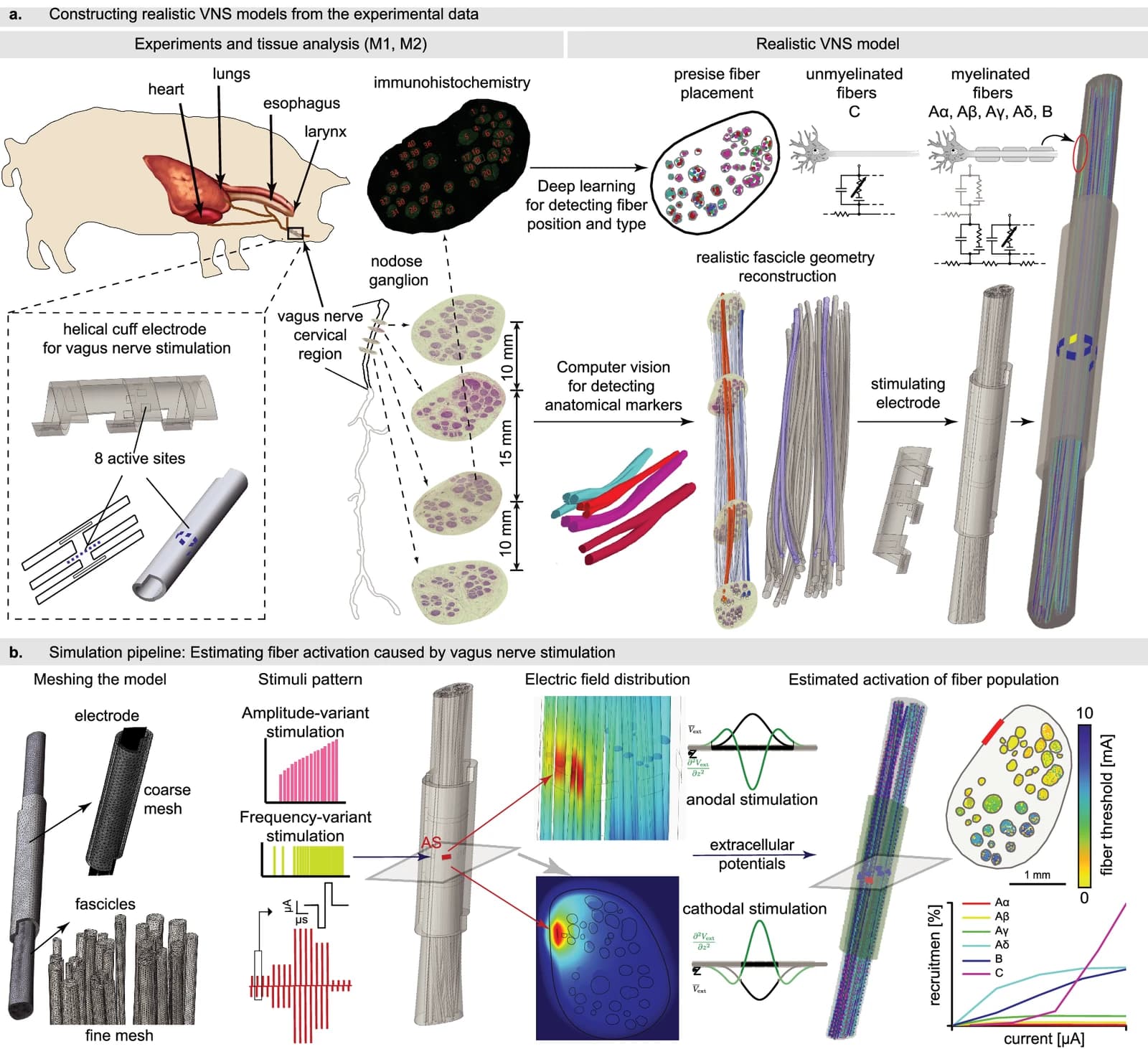
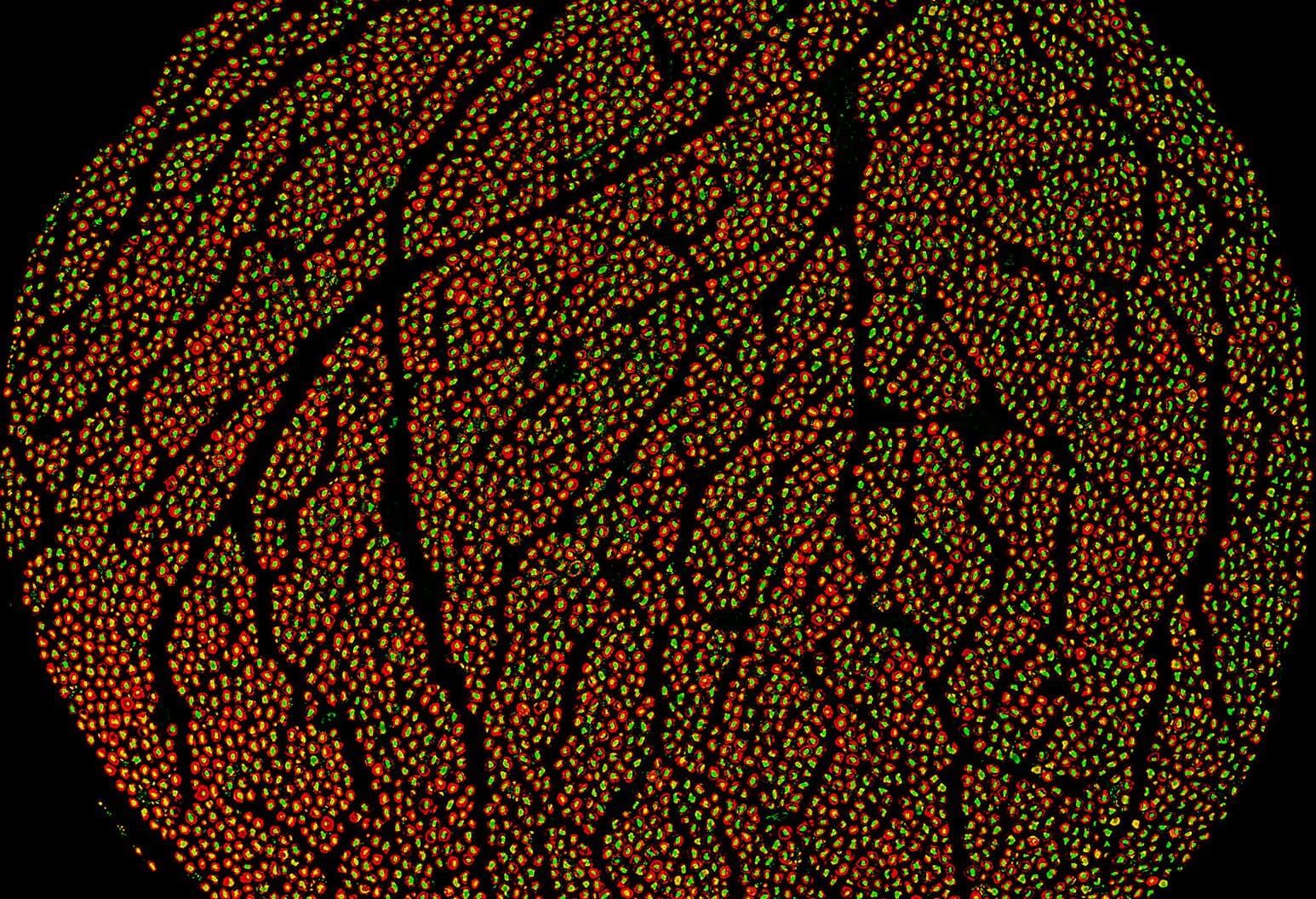
A comprehensive anatomical dataset of 60 human vagus nerves (30 left, 30 right), spanning millions of micro-CT images across hundreds of terabytes of data. Using 3D nnU-Net segmentation, this project builds a detailed vagus digital twin to guide the design of selective vagus nerve stimulation therapies, part of a $6.7 million NIH SPARC award in collaboration with the TNP Lab.
Anatomical Data AI
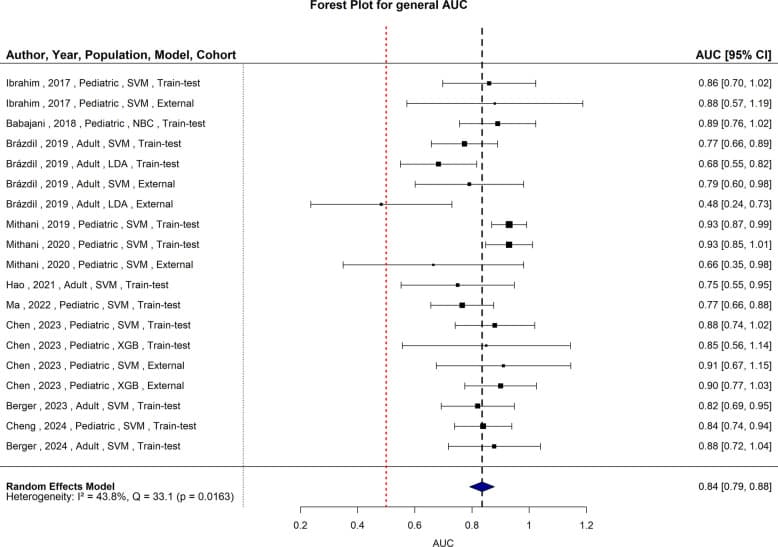
Machine learning models can predict which patients with drug-resistant epilepsy will respond to vagus nerve stimulation therapy, achieving an average area under the receiver operating characteristic curve (AUROC) of 0.84 across 12 studies comprising 535 patients.
Autonomic Nervous System AI
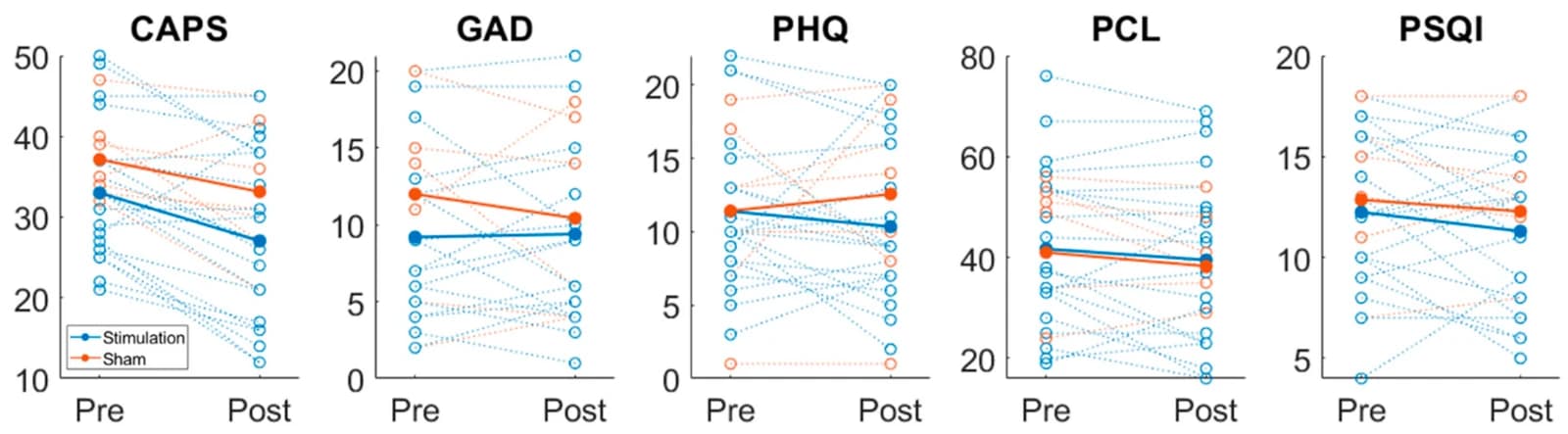
Machine learning models identify PTSD from non-invasive physiological signals, including heart rate variability, in a study currently under review. The lab also studies transcutaneous auricular vagus nerve stimulation as a potential PTSD treatment for World Trade Center responders with limited response to existing therapies.
Autonomic Nervous System AI
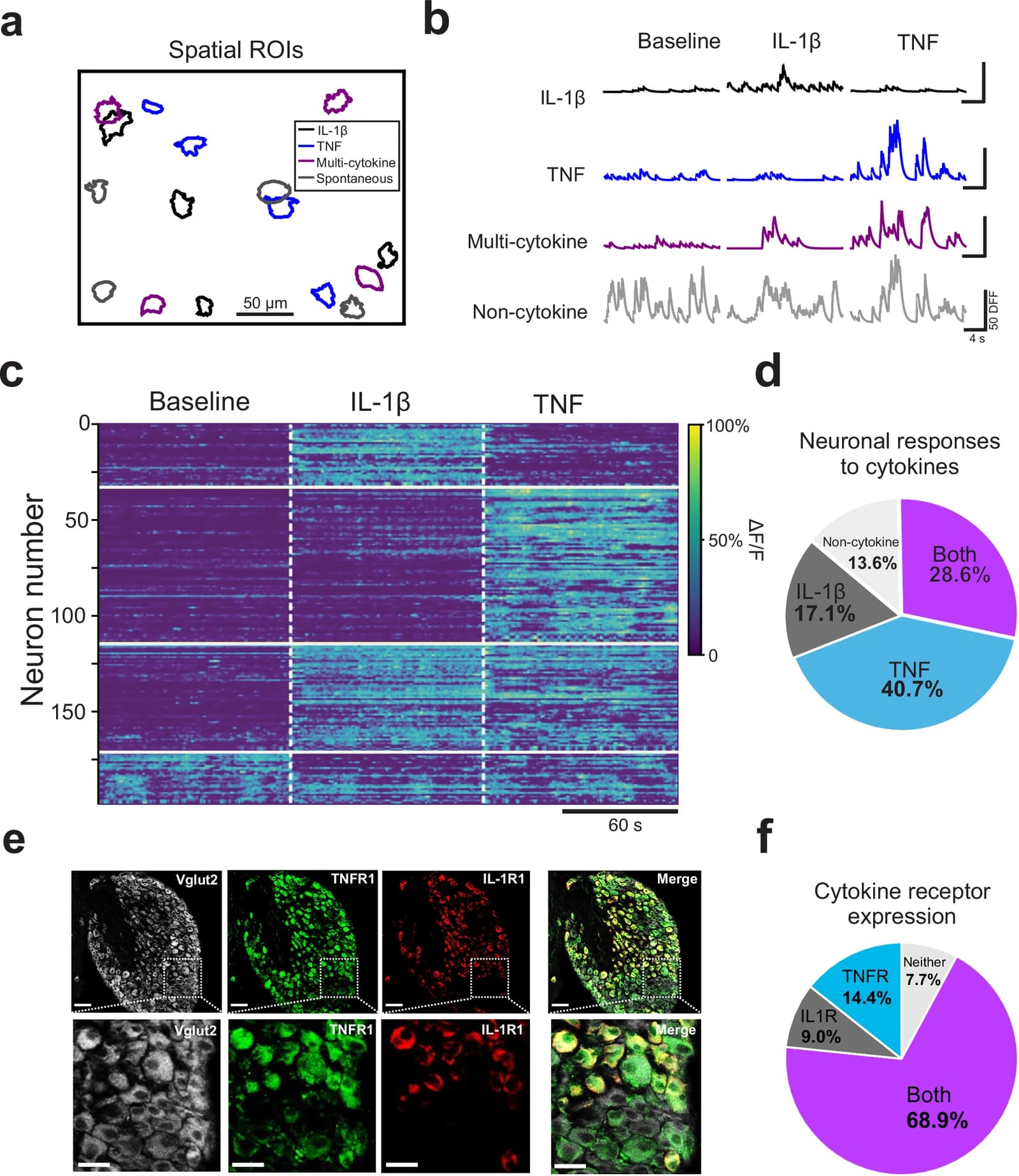
This research decodes how vagus nerve neurons sense inflammatory cytokines in real time, enabling development of diagnostic bioelectronic devices and closed-loop inflammation treatments. Building on prior work showing vagal decoding of immune signals, recent studies reveal that individual vagal sensory neurons selectively respond to specific cytokines, with altered responses during active inflammation.
Preclinical AI
Preclinical research using decoding algorithms to identify neural signals from the vagus nerve that respond specifically to hypoglycemia. A decoder achieved high accuracy in reconstructing blood glucose levels from vagus nerve recordings, with median error of 18.6 mg/dL, and revealed that TRPV1 nociceptor neurons are critical for sensing low glucose states.
Preclinical AI
Chronic wireless recording of compound action potentials from the mouse vagus nerve up to 6 months, enabling longitudinal tracking of neural activity in disease models (CIA, CAIA) to predict inflammation severity and evaluate neuromodulation efficacy.
Preclinical AI
Archive · 14
Publications
Author or co-author on 57 peer-reviewed publications across the Division.
View all 57 publicationsRelated