Skip to content
Division of Health AIDivision of Health AI
TeamResearchPublicationsJoin
Theme
Division of Health AIDivision of Health AI

Site

  • Team
  • Research
  • Publications
  • Join

Affiliated institutions

  • Feinstein Institutes (opens in new tab)
  • Northwell Health (opens in new tab)
  • Zucker School of Medicine (opens in new tab)

© 2026 Division of Health AI, Northwell Health. All rights reserved.

All research

Federally funded · Active since 2024

Delirium identification and prediction

Machine learning that identifies delirium in hospitalized older adults from clinical notes, using large language models, and predicts who is at risk before it develops.

ONSET

Overview

Delirium, an acute disorder of attention and cognition, affects 10 to 20 percent of older adults arriving in the emergency department and is associated with poor outcomes, yet it is under-recognized and inconsistently documented. The project develops a framework that reads clinical chart text with large language models to identify delirium automatically, and a predictive model that flags patients at risk on admission.

The work is funded by a National Institute on Aging R01 award (2026 to 2031) led by Alex Makhnevich, Liron Sinvani, and Theodoros Zanos, building on an earlier R21 study of delirium recognition in the emergency department.

Status
Active since 2024
Program
Federally funded
Funding
National Institute on Aging
Team
2 members

Awards

  • Machine learning models to identify and predict delirium in hospitalized older adults

    National Institute on Aging · 2026 to 2031

    Alex Makhnevich, Liron Sinvani, and Theodoros Zanos

    R01AG100193 (opens in new tab)
On this project

Effrosyni Birbas, MD

Elmezzi Scholar

Theofilos Kanavos, MD

Elmezzi Scholar

More federally funded programs

Federally funded

Health AI Assurance

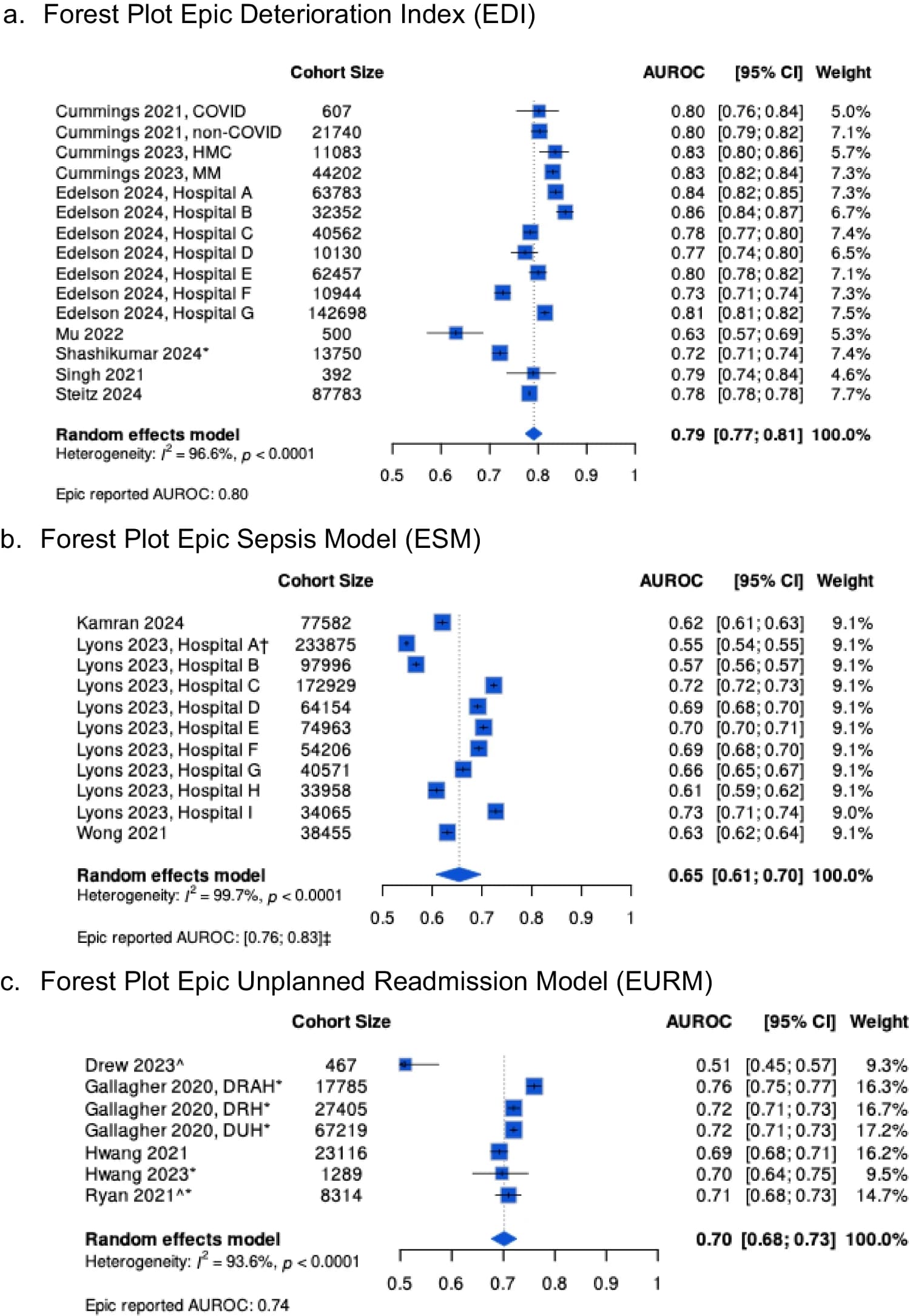
FDA-funded validation of electrocardiogram devices and independent evaluation of clinical AI on Northwell's own patients, before and after a tool reaches the bedside.

Federally funded · R01NR020774

In-hospital deterioration prediction

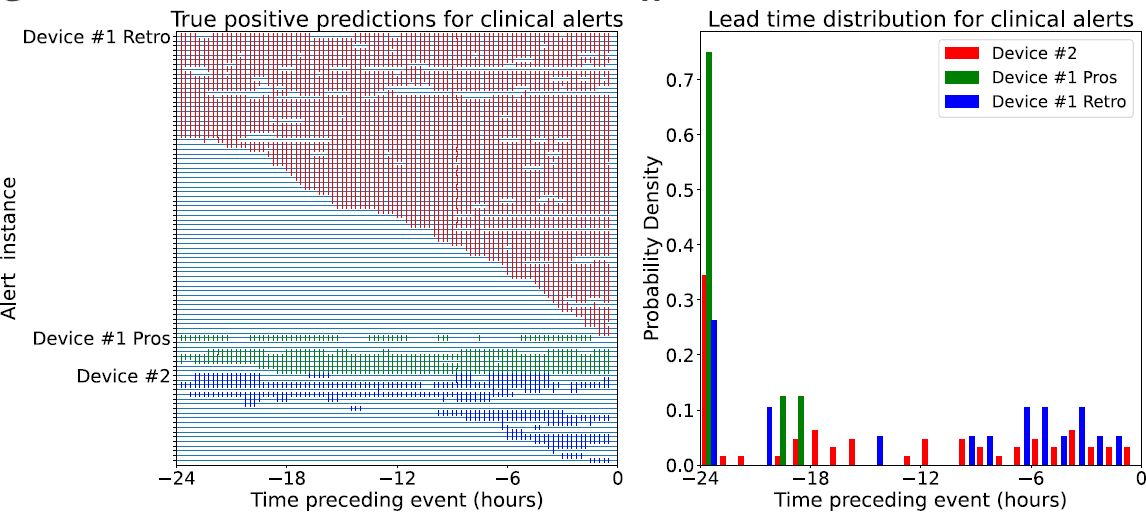
Deep learning models that estimate a hospitalized patient's risk of deterioration continuously, from the electronic health record and from wearable sensors, so that clinicians are warned hours before a rapid response or ICU transfer.

Federally funded · U01OH012050

Transcutaneous auricular vagus nerve stimulation for PTSD in World Trade Center responders

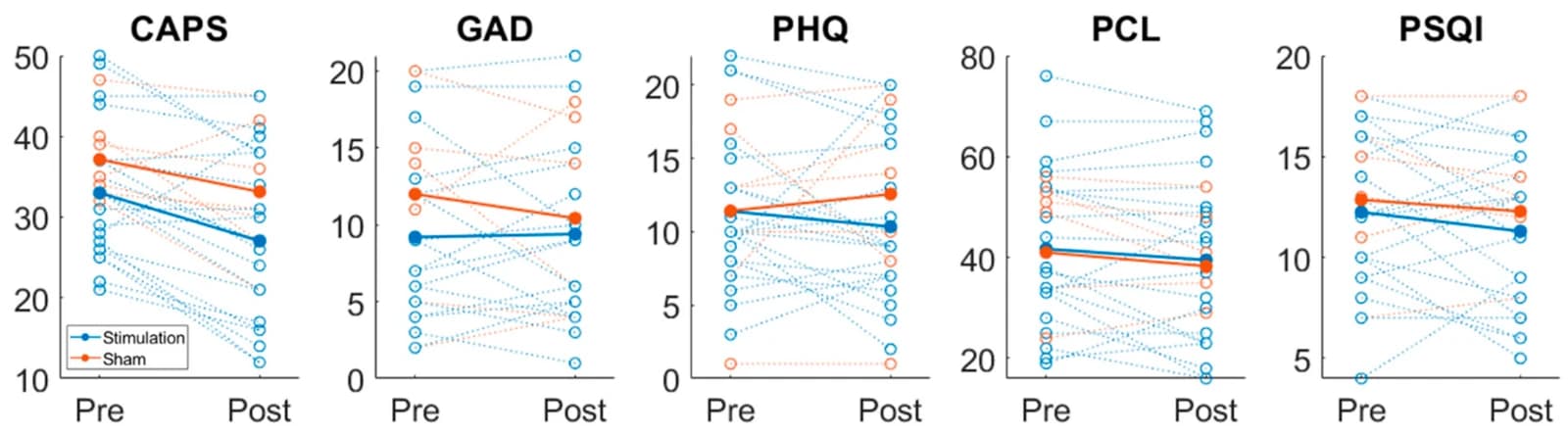
A feasibility and acceptability study of daily, non-invasive auricular vagus nerve stimulation to reduce PTSD symptoms among 9/11 responders, twenty years after the attacks.

Federally funded · SPARC

REVA: the human vagus nerve atlas

A comprehensive anatomical dataset of 60 human vagus nerves (30 left, 30 right), spanning millions of micro-CT images across hundreds of terabytes of data. Using 3D nnU-Net segmentation, this project builds a detailed vagus digital twin to guide the design of selective vagus nerve stimulation therapies, part of a $6.7 million NIH SPARC award in collaboration with the TNP Lab.