Annual International Conference of the IEEE Engineering in Medicine and Biology Society (EMBC)
AI/ML Advisor
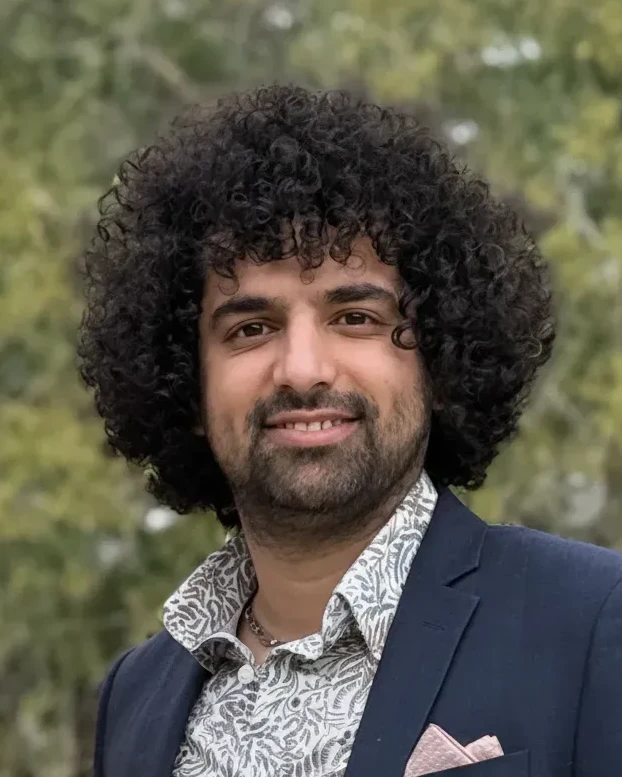
Dr. Nabil Ettehadi, PhD is an Artificial Intelligence Advisor in the Division of Health AI at Northwell Health and Adjunct Faculty in the Health Informatics Program at Hofstra University. He received his BSc in Electrical Engineering from Sharif University of Technology in Iran, his MS in Electrical Engineering from the University of Central Florida, and his MS and PhD in Biomedical Engineering from Columbia University. With more than 10 years of experience across academia, healthcare, and industry, his work focuses on developing and translating artificial intelligence solutions for clinical and operational healthcare applications. His expertise includes deep learning, medical imaging, computer vision, time-series forecasting, and multimodal healthcare data analysis. At Northwell Health, he leads the design and development of end-to-end AI solutions for real-world healthcare challenges, including predictive models for nursing workforce demand and attrition, generative AI approaches for ECG signal reconstruction, and prediction of mortality and other clinical outcomes from ECG data. At Hofstra University, he designs and teaches graduate-level coursework in artificial intelligence and deep learning for medical research. Prior to joining Northwell, he served as a Staff AI Camera Researcher at Lenovo-Motorola Mobility, where he developed AI and computer vision algorithms for smartphone low-light computational photography.
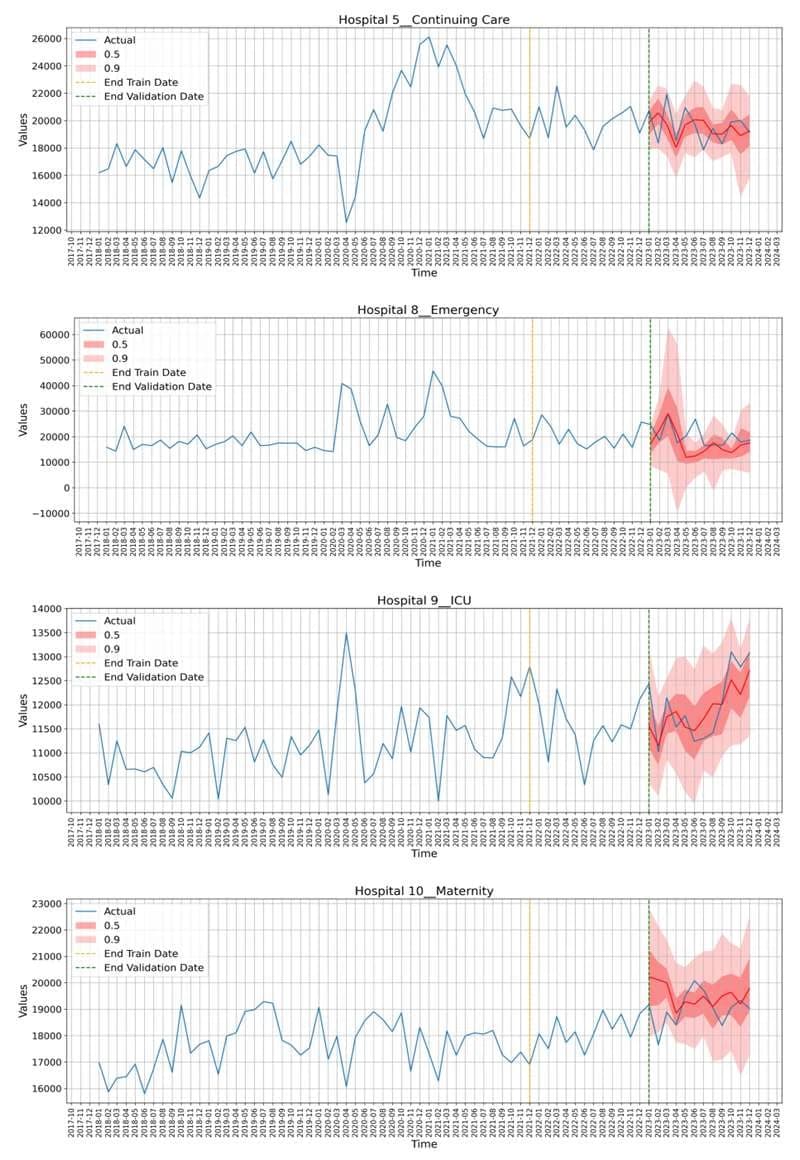
Dr. Ettehadi has authored peer-reviewed publications in healthcare AI, medical imaging, and robotics, with research contributions spanning autonomous robotic assistance for activities of daily living for people with disabilities, functional MRI signal characterization, diffusion MRI quality control, lung texture classification, transformer-based medical image synthesis, and probabilistic forecasting in healthcare operations. His work combines technical rigor with practical implementation, with the goal of building innovative, reliable AI systems that advance patient care, improve quality of life, support research, and strengthen health system performance.
2 projects1 paper
- Profile (opens in new tab)
- Google Scholar
- Profile (opens in new tab)
Research
Projects
Publications